01
Retinoids (Retinol, Tretinoin)
Benefits
Anti-aging, acne, cell turnover
Best for
Acne, fine lines, uneven texture
How to use
Start 2–3x per week at night, build tolerance gradually
Quiet tip
Use sunscreen daily. Initial purging is normal.
/ Ingredients
The ten ingredients that do most of the heavy lifting in modern skincare, what they do, who they suit, and what they fight with.
Anti-aging, acne, cell turnover
Acne, fine lines, uneven texture
Start 2–3x per week at night, build tolerance gradually
Use sunscreen daily. Initial purging is normal.
Oil control, pore minimizing, brightening
Oily skin, large pores, hyperpigmentation
AM and/or PM, daily
Plays nicely with almost anything. Generally well-tolerated.
Exfoliation, pore cleansing, acne prevention
Oily skin, blackheads, acne
1–2x daily in cleanser or treatment
Oil-soluble, penetrates pores. Start slowly to avoid irritation.
Hydration, plumping, moisture retention
All skin types, dehydration
Apply to damp skin, AM and PM
Holds 1000x its weight in water. Layer under moisturizer.
Brightening, antioxidant, collagen production
Dull skin, dark spots, sun damage
Morning, before sunscreen
Store in dark, cool place. Pairs with vitamin E for stability.
Exfoliation, texture, brightening
Dry skin, dullness, hyperpigmentation
2–3x weekly, evening
Water-soluble surface exfoliant. Always SPF the next day.
Kills acne bacteria, anti-inflammatory
Active acne, inflammatory breakouts
Start at 2.5%, spot or all-over
Bleaches fabrics. Pair with moisturizer.
Barrier repair, moisture retention
Dry, sensitive, compromised skin
Daily in moisturizer
Essential lipids. Safe for all skin types.
Collagen support, firming, anti-aging
Mature skin, fine lines
Daily in serums or moisturizer
Pair beautifully with retinoids and vitamin C.
Acne, brightening, rosacea
Acne, hyperpigmentation, sensitive skin
1–2x daily
Gentle yet effective. A great retinoid alternative.
/ Layering
/ From your kitchen
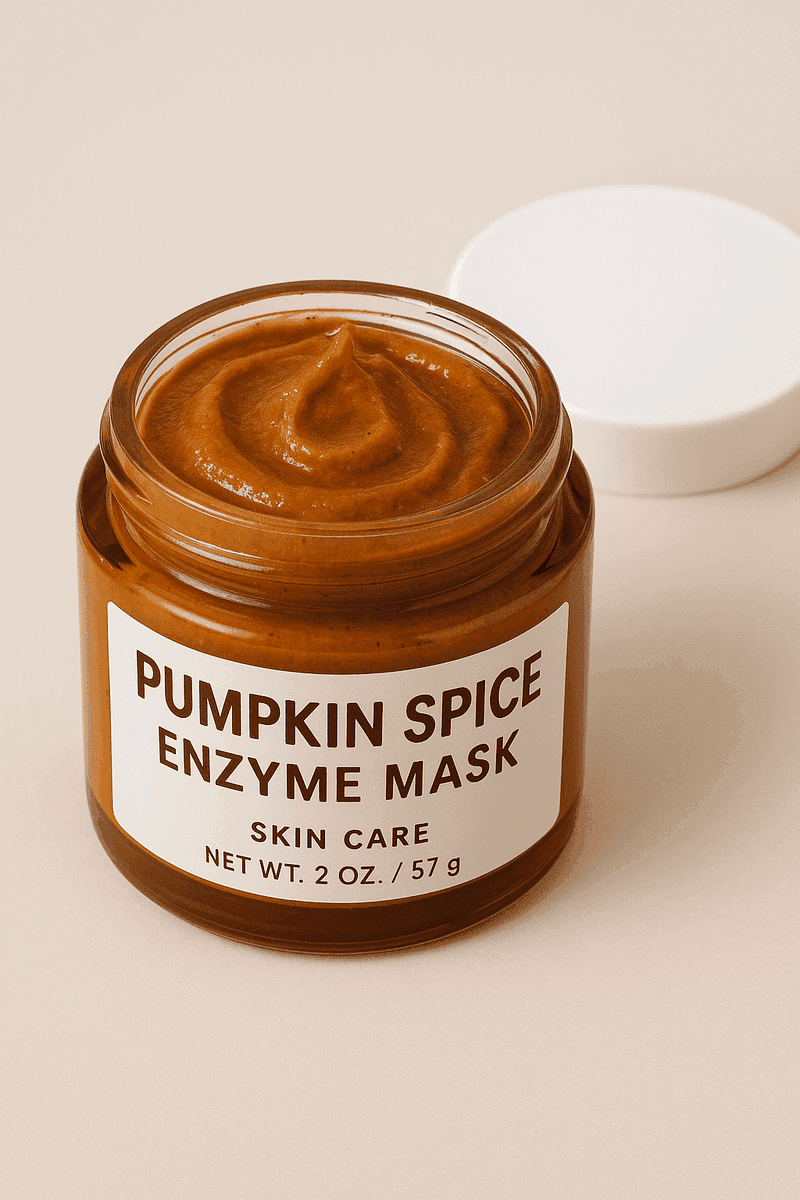
Pimpl ships with dozens of mask recipes you can mix from things already in your fridge.
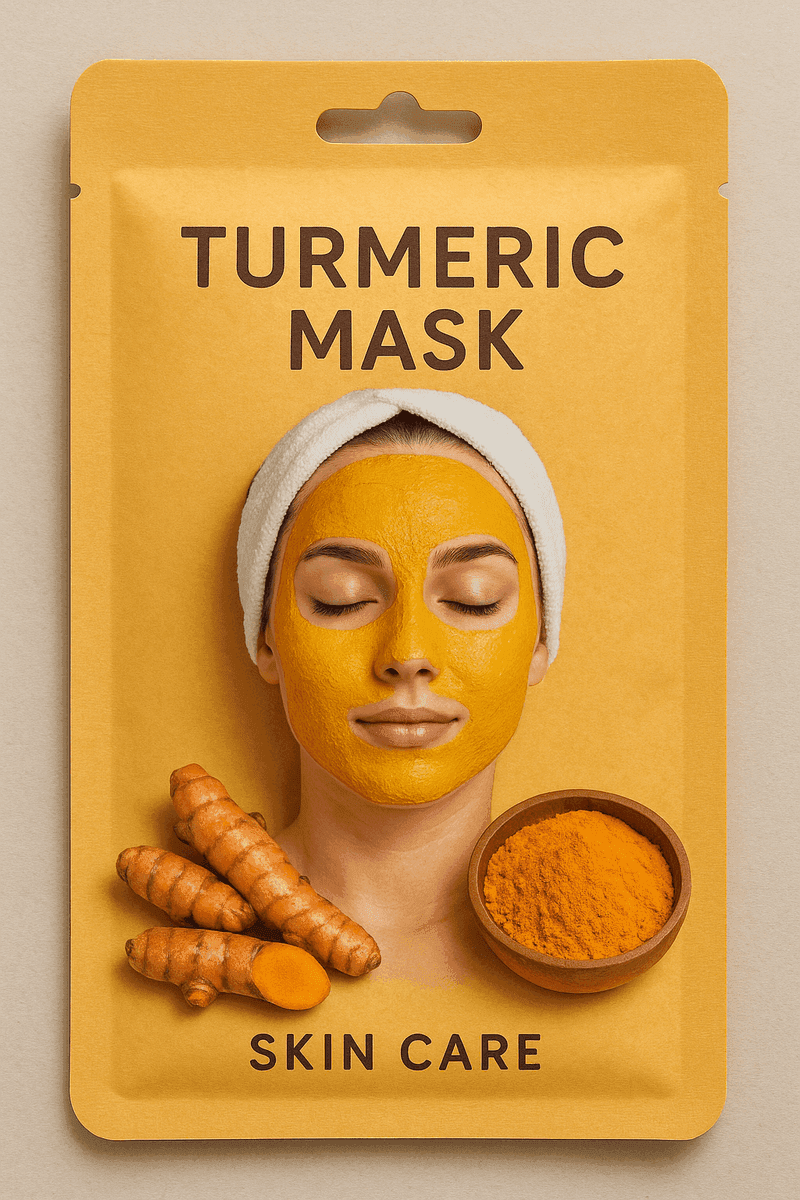
Anti-inflammatory
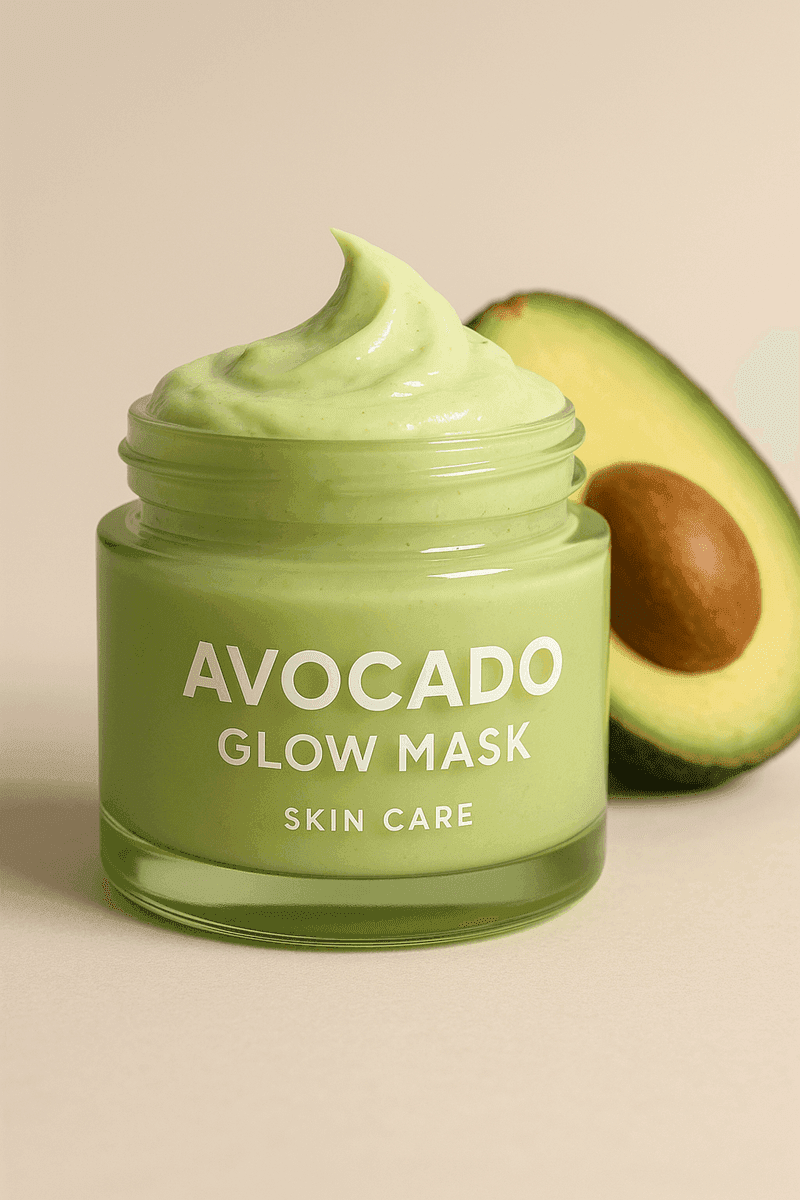
Deep hydration
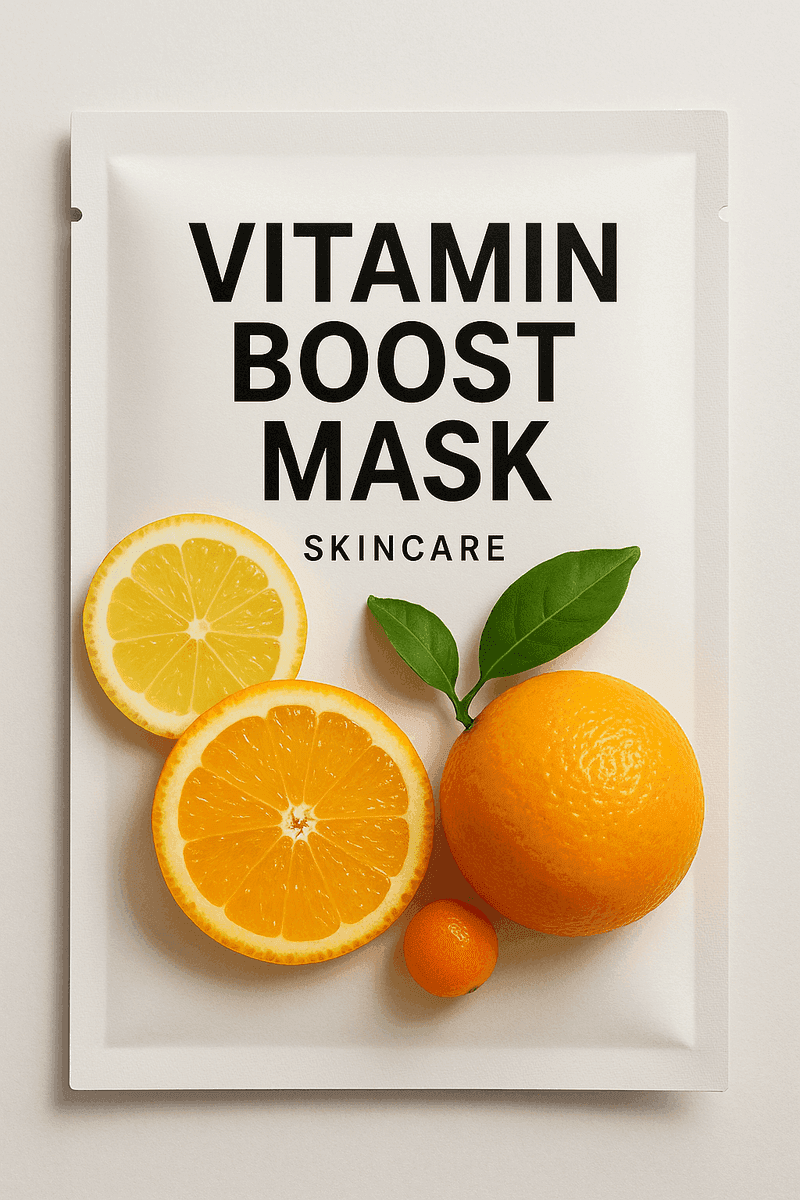
Brightening
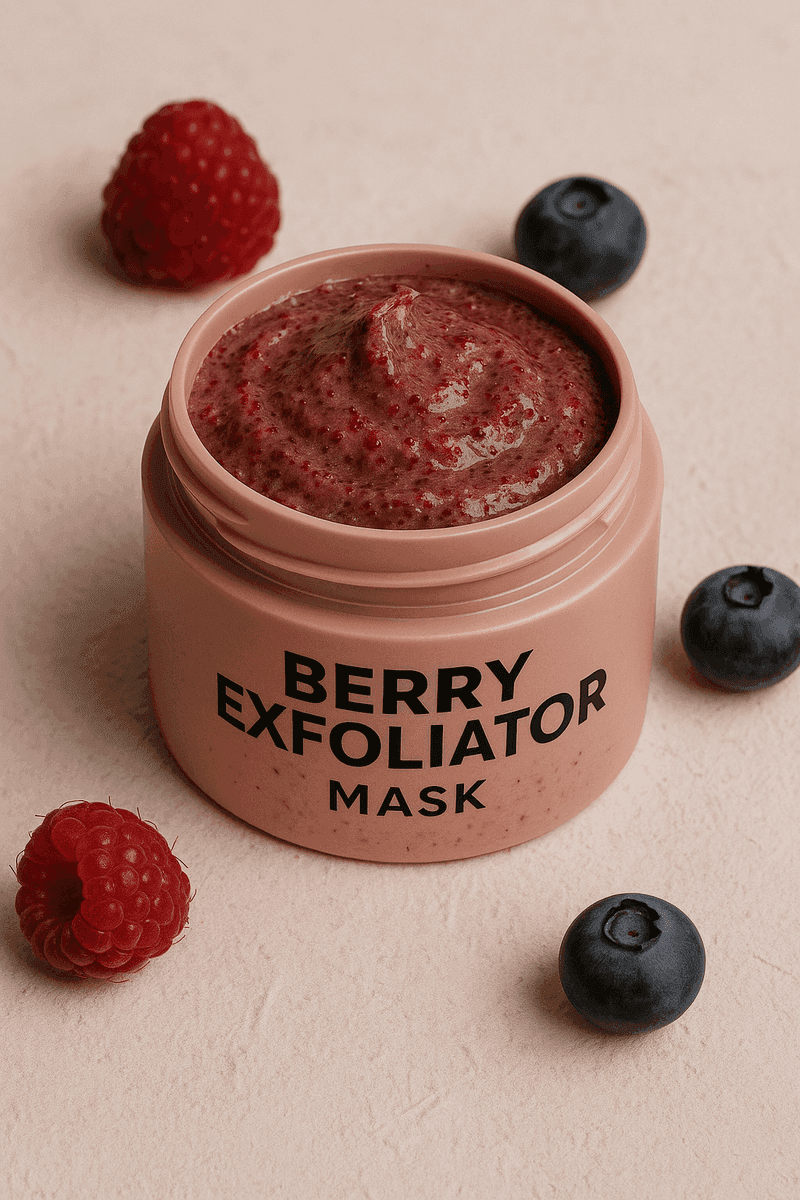
Exfoliation
Gentle exfoliation
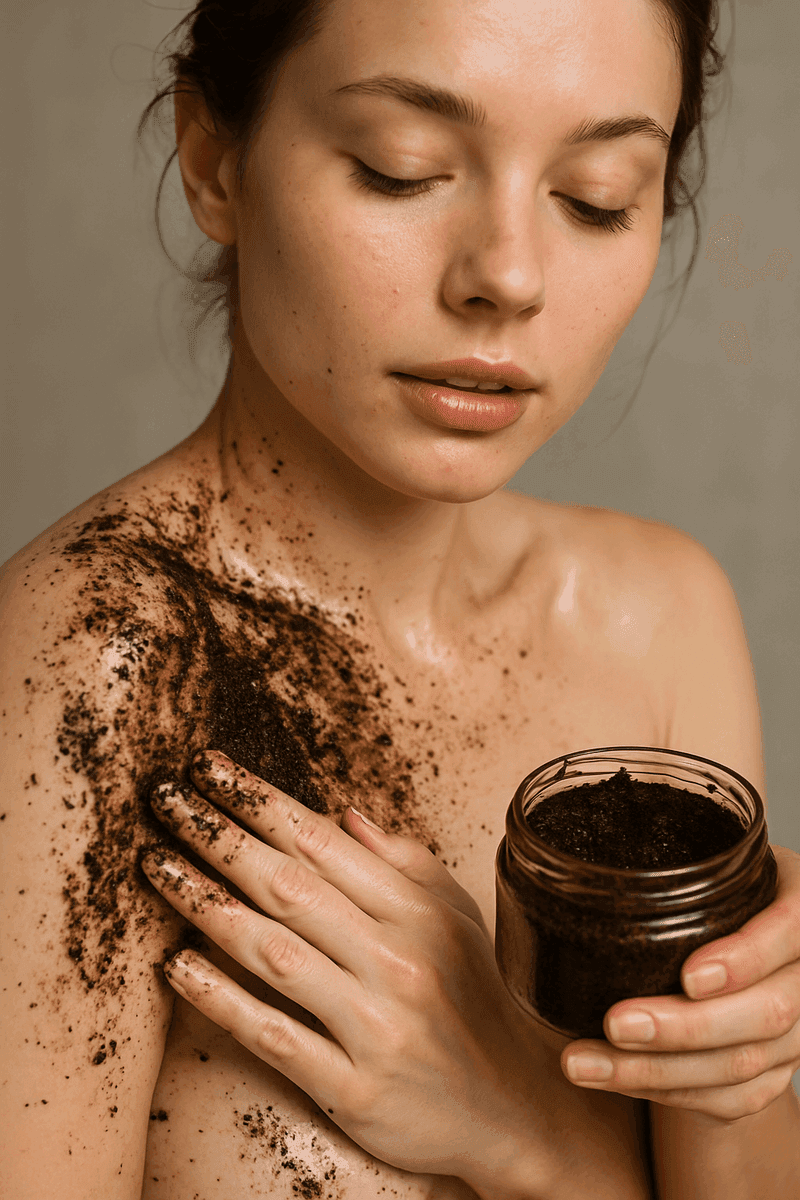
Antioxidants
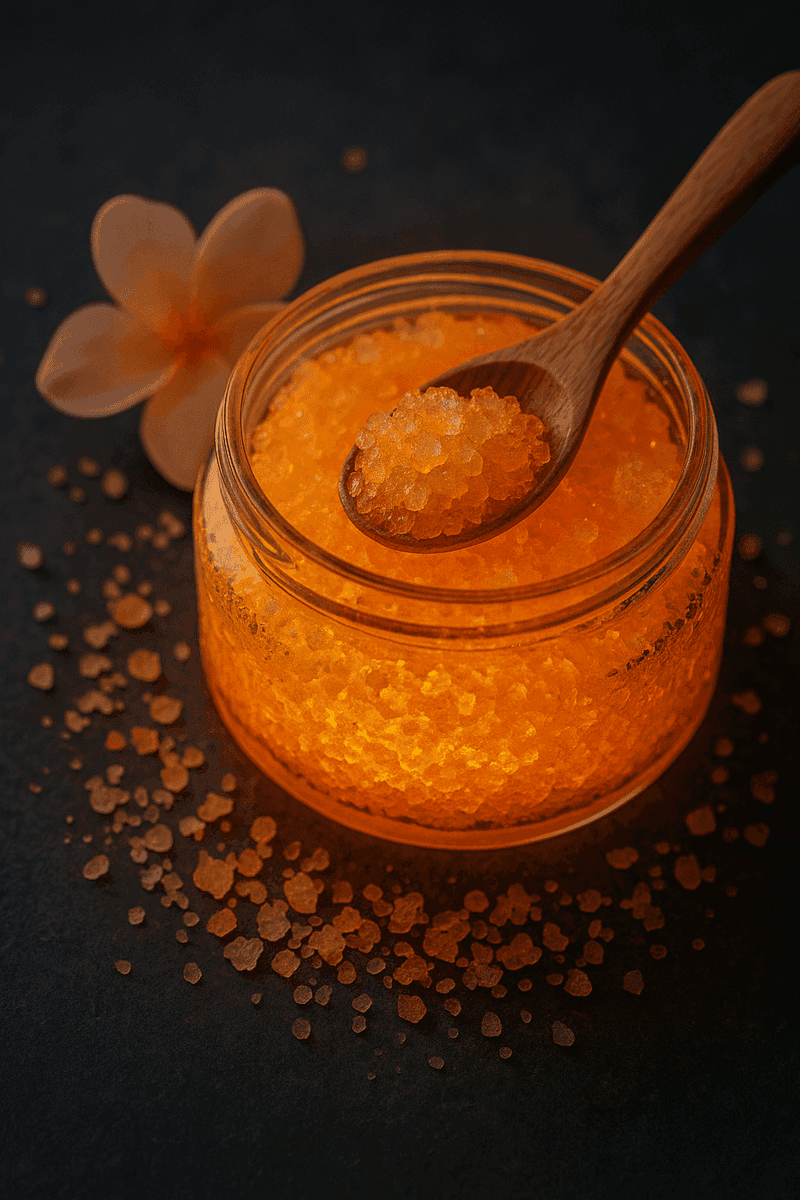
Deep cleansing
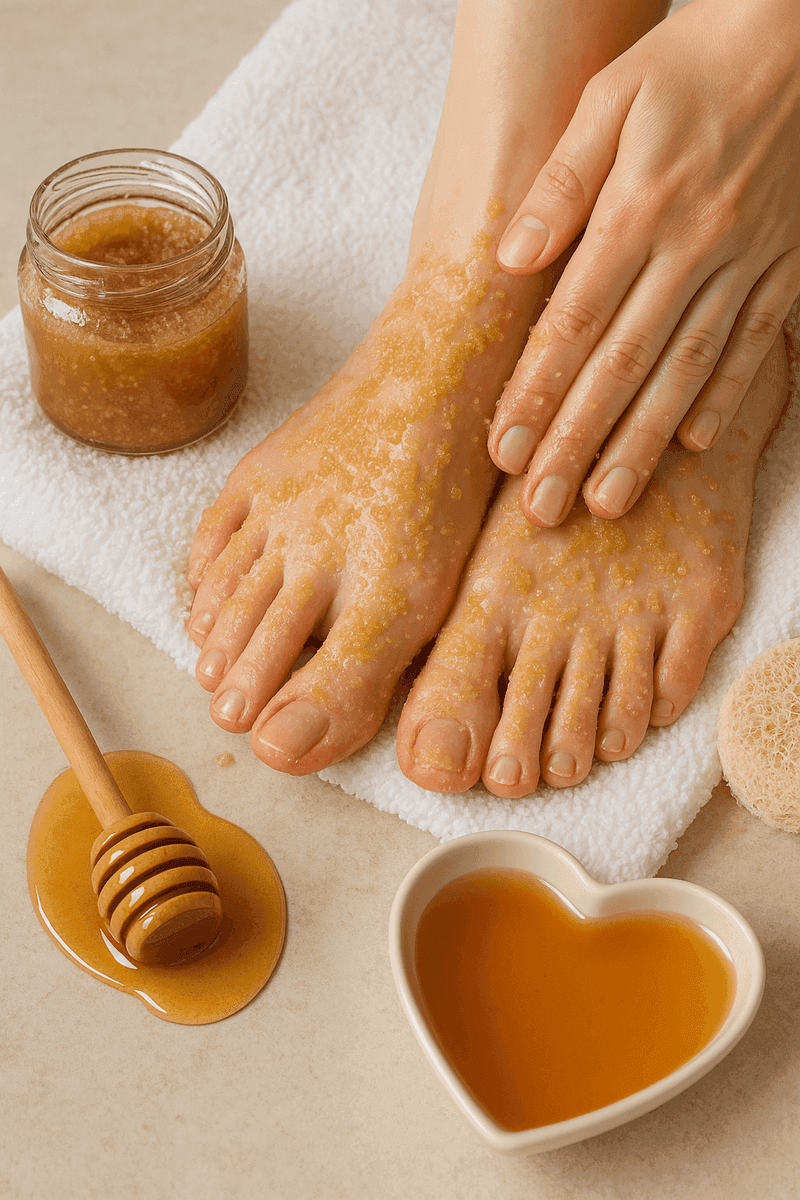
Antibacterial
/ Quick answers
Tretinoin (a prescription retinoid) has more clinical evidence than any other skincare ingredient — over five decades of studies. For OTC, retinol, niacinamide, and azelaic acid have the strongest evidence. Sunscreen is technically the highest-leverage ingredient because it prevents the damage everything else has to repair.
Yes, but ideally separated by time of day. Use vitamin C in the morning (when its antioxidant protection is most useful against UV) and retinol at night. Some people tolerate them in the same routine separated by a moisturizer, but split usage avoids irritation and gives each active optimal pH conditions.
Avoid combining: retinoids + AHAs/BHAs in the same routine (over-exfoliation), retinoids + benzoyl peroxide (BPO can deactivate older retinoids like tretinoin), and L-ascorbic acid vitamin C + niacinamide at the same pH (can cause flushing in some people, though modern formulations have largely solved this).
Hyaluronic acid and humectants show immediate hydration. Niacinamide shows results in 2 to 4 weeks. Salicylic acid and BHA show acne improvement in 4 to 8 weeks. Retinoids show acne improvement at 8 to 12 weeks and anti-aging effects at 6 to 12 months. Vitamin C shows brightness in 4 to 8 weeks.
No. "Natural" does not mean safer or more effective. Many synthetic actives (retinoids, peptides, hyaluronic acid) are more rigorously tested and standardized than natural extracts. Both categories include effective and ineffective ingredients. Judge by clinical evidence, not by origin.
Free to download. No subscription required to start. Available today on iPhone, soon on Android.
Free to start · No credit card · Cancel anytime